
If you look at anti-Americanism anywhere around the world, you will notice one striking aspect: it is very, very emotional.
It is far too emotional to be based on what is usually cited as the reason for anti-Americanism: military intervention or unfavorable economic relations. It also has much less to do with Israel than is commonly claimed by analysts.
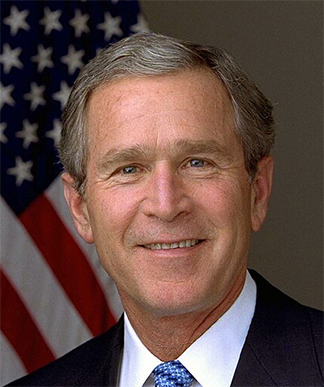
(1946-)
Anti-Americanism is as emotional as jealousy, and it is this aspect of anti-Americanism that leads us to its real cause.
In brief, the cultural attitude of the US is: protect the women of other cultures from local men, and alienate them from local men under the pretext of liberating them; protect the wives of other cultures from their husbands, and raise the wives' awareness that they are mistreated; protect the children of other cultures from their parents and other adults, and incite them to disobedience even if that makes them street children; protect local Christian minorities, and introduce (the essence of this all) American Christian values.
The US may sometimes pretend to be primarily interested in global business and security. But its real intent is cultural imperialism, and it will probably never change its attitude as long as it has the political and military means to interfere. This is the case because US policy is driven primarily by ideological pressure groups, most of which are either Christian fundamentalists or radical feminists, and often both at the same time.
The economies of the Philippines and other countries in Southeast Asia now depend more on China than on the US. But in spite of this, there is so little anti-Chinese sentiment, not only in Southeast Asia but anywhere in the world, that a term like "Sinophobia" is rarely encountered in mainstream discourse (in fact, the spellchecker used for this article only recognized "anti-Americanism" and rejected all other "anti-" terms).
The difference is: China engages in international trade in order to buy and sell goods, and officially adheres to a policy of non-interference in the internal affairs of other countries.
But the US uses international trade to gain a foothold for its missionaries and NGOs. While American international businessmen are often lay preachers as well, I don't know of a single Chinese NGO that would meddle in other countries.
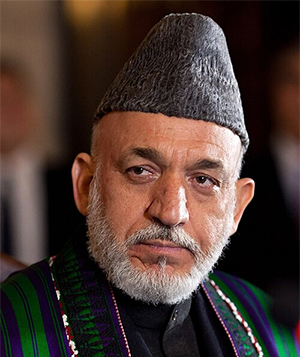
(1957-)