
Kreutz Ideology has little in common with 19th-century dreamers who believed that with the abolition of states, mankind would enter a paradise of mutual aid.
Furthermore, Kreutz Ideology has nothing in common with the labor union activists of the 20th century who seriously believed that private property is the sole cause of all evil in this world.
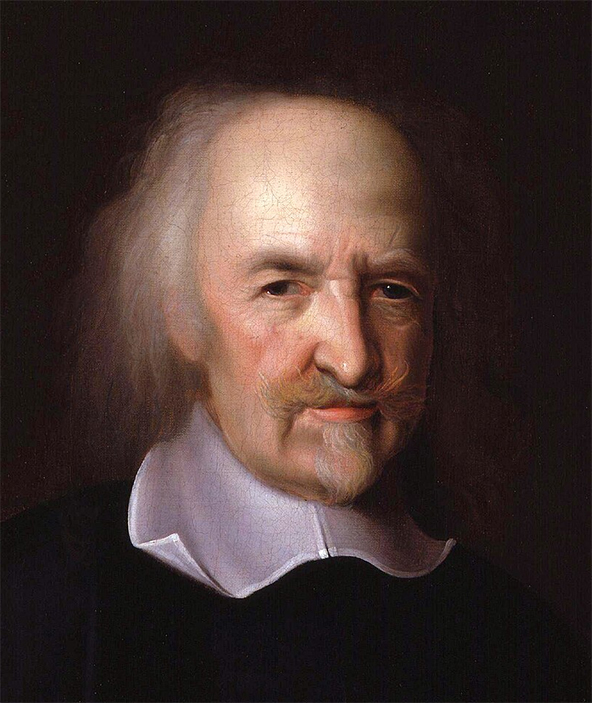
(1588-1679)
Kreutz Ideology is closer to the philosophy of Thomas Hobbes, who (in the 17th century) reasoned that the primary function of state power is to prevent and control physical violence among the members of a society through an absolute sovereign, and that, apart from that, as he wrote in his Leviathan: "As for other liberties, they depend on the silence of the law."